



What Is Ballast on a Crane? | Crane Ballast Explained
What is crane ballast?
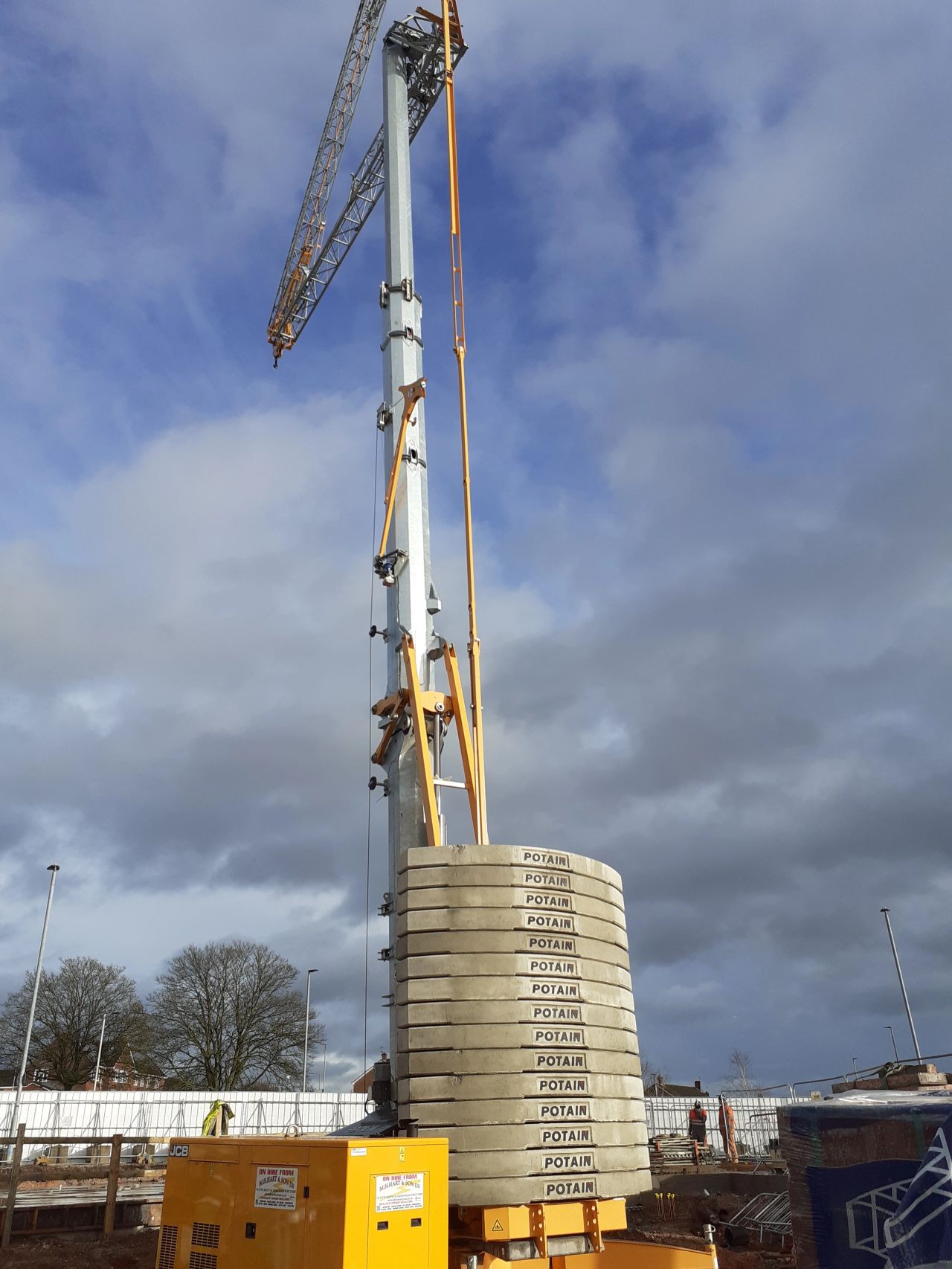
Ballast is a series of specially engineered steel or concrete counterweights attached to the rear of a crane. Their purpose is to counterbalance the weight being lifted, helping prevent the crane from becoming unstable or tipping over. Without sufficient ballast, a crane would have a greatly reduced lifting capacity and would be unable to safely perform many lifting operations. Video of ballast being added>>>
What is ballast on a crane?
If you've ever seen a mobile crane on site, you've probably noticed the large blocks fitted to the rear of the crane before lifting operations begin. These heavy weights are known as crane ballast or counterweights, and they play a vital role in allowing a crane to lift heavy loads safely and efficiently.
The amount of ballast fitted depends on the type of crane, the weight of the load, the lifting radius and the site conditions. Modern mobile cranes can often be configured with different ballast combinations to suit individual lifting operations, ensuring maximum performance while maintaining safety.
Below, we answer some of the most common questions about crane ballast.
Why do cranes need ballast?
Ballast provides stability.
As a crane lifts a load, the weight creates a tipping force that increases as the boom extends further away from the crane. Ballast creates an opposing force that helps keep the crane balanced and safely supported throughout the lift.
Correct ballast is one of the most important factors in safe crane operation.
What is crane counterweight?
A crane counterweight is another name for ballast.
The terms are often used interchangeably throughout the lifting industry. Both refer to the removable weight installed on the rear of the crane to balance the load being lifted.
How heavy is crane ballast?
The amount of ballast varies significantly depending on the crane.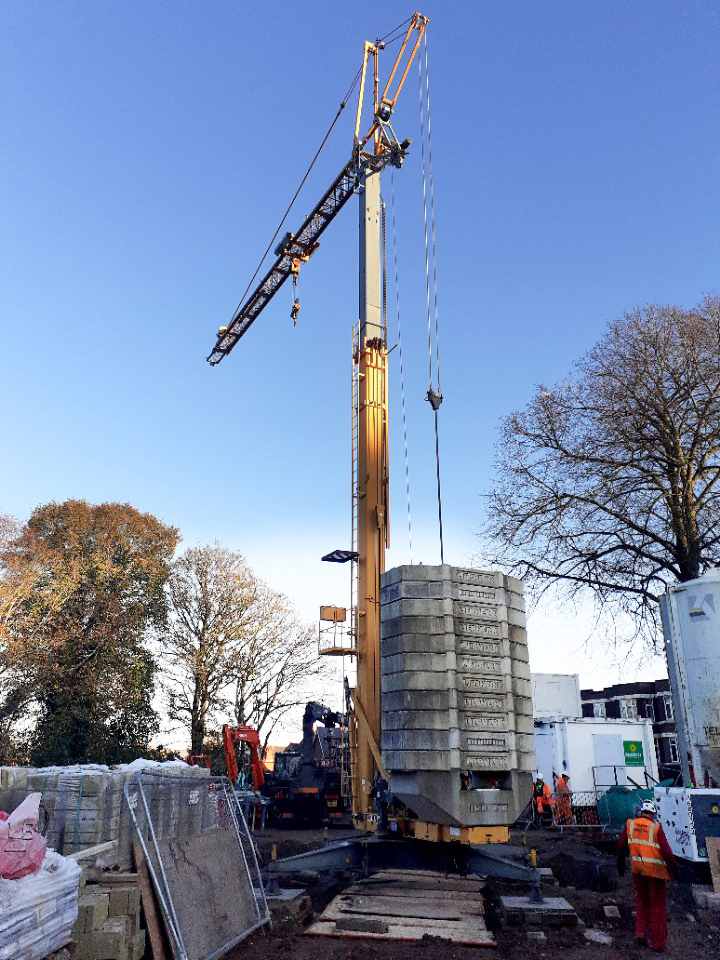
For example:
- Small mobile cranes may carry only a few tonnes.
- Medium all-terrain cranes commonly use between 20 and 60 tonnes.
- Large all-terrain cranes can require over 100 tonnes of ballast.
- Some of Sparrow Crane Hire's larger cranes operate with configurations of 76 tonnes or 88 tonnes of ballast depending on the lifting requirements.
Each lift is carefully calculated to determine the correct ballast configuration.
Does more ballast mean a crane can lift more?
Not always.
Although additional ballast generally increases a crane's lifting capacity, several other factors also affect how much a crane can safely lift, including:
- Boom length
- Working radius
- Lift height
- Ground conditions
- Wind conditions
- Outrigger configuration
- Crane model and manufacturer specifications
Every lift must be calculated using the crane manufacturer's load charts.
Is crane ballast permanent?
No.
One of the advantages of modern mobile cranes is that ballast can usually be added or removed depending on the job.
This makes transport easier while allowing the crane to be configured for each individual lift.
How is crane ballast installed?
Ballast is normally lifted into position using another crane, a smaller assist crane or the crane's own self-ballasting system if fitted.
Each ballast slab is designed to lock securely into position before lifting operations begin.
Can a crane work without ballast?
Some smaller cranes can perform limited lifts without ballast, but most mobile cranes require ballast for medium and heavy lifting operations.
Operating without the correct ballast would significantly reduce lifting capacity and, in many cases, prevent the crane from carrying out the lift safely.
Why do some cranes have more ballast than others?
Every crane is different.
Larger cranes are designed to lift heavier loads at greater distances, requiring more counterweight to remain stable.
Even the same crane may use different ballast configurations depending on the specific lifting operation.
What happens if there isn't enough ballast?
Using insufficient ballast would reduce the crane's safe working capacity and could create instability.
Professional crane operators never estimate ballast requirements. Every lift is planned using manufacturer load charts and lifting calculations to ensure the correct ballast configuration is used.
How do engineers decide how much ballast is required?
Before any lift takes place, experienced lift planners calculate:
- Load weight
- Load dimensions
- Boom length
- Radius
- Lift height
- Ground bearing capacity
- Wind loading
- Site restrictions
Using these calculations together with the manufacturer's lifting charts, they determine the safest crane configuration, including the correct amount of ballast.
Why is ballast sometimes transported separately?
Large counterweights are extremely heavy.
To comply with UK road transport regulations and axle weight limits, ballast is often transported on separate vehicles before being installed on site.
This is why you may see a ballast truck arriving alongside a mobile crane.
Crane Ballast Is Essential for Safe Lifting
Although it often receives little attention, ballast is one of the most important components of any lifting operation. Correctly configured counterweights allow cranes to lift safely, maximise lifting performance and comply with strict industry safety standards.
At Sparrow Crane Hire, every lift is carefully planned by experienced professionals who calculate the correct crane configuration for each project, ensuring every lift is completed safely, efficiently and in accordance with current regulations.